Frameworks For Sales And Other Business Growth Hacks
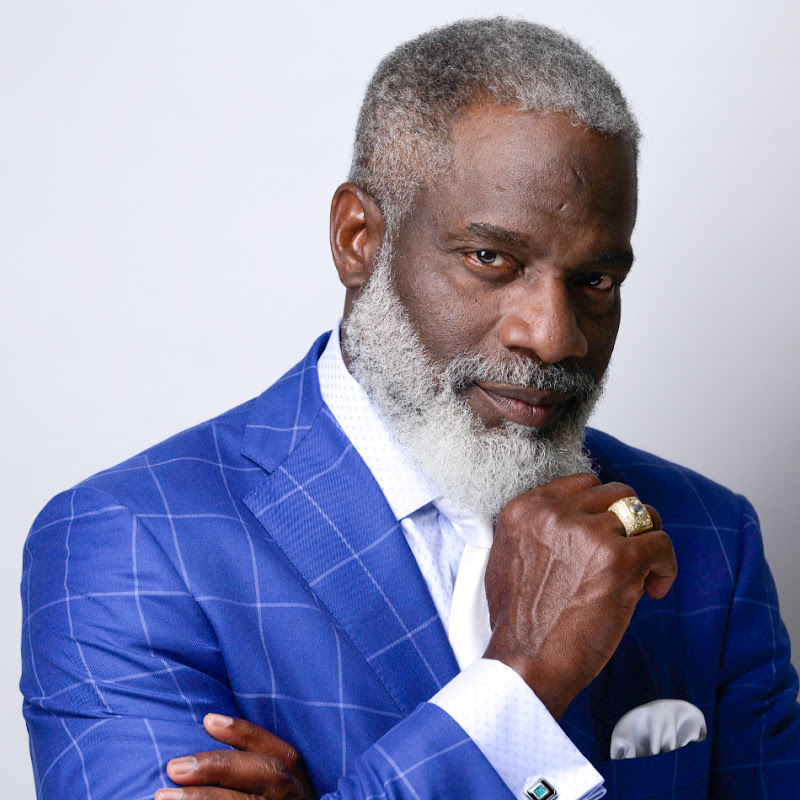
Myron Golden
1.43M subscribers
41.3K views · 2 weeks ago
YOUTUBE FOR SALES | Frameworks For Sales And Other Business Growth Hacks YouTube isn't just a platform for getting views. It can become one of the most powerful tools in your business for building trust, attracting prospects, and generating sales. In this powerful message, Myron Golden breaks down frameworks for using YouTube and other business growth strategies to turn attention into opportunity. Instead of creating content just to get views, you'll learn how to use content strategically to build authority, connect with your ideal customers, and grow your business. The core idea is simple but powerful: Content becomes a powerful sales tool when you use it to create value, build trust, and move the right people toward your offer. You'll learn: Why YouTube can be a powerful sales and business growth engine How to create content that attracts potential customers The connection between attention, trust, and sales Frameworks you can use to improve your sales process How content can position you as an authority in your market Why creating consistent value can generate business opportunities Business principles behind marketing, sales, content, and growth This message will help you
✦ What fans are saying
42 public comments · synced 5 hours ago · 85% positive
Questions fans keep asking
What landed
- The line: a prepared messenger beats a prepared message“"A prepared messenger is better than a prepared message" Myron Myron. Long live mr Golden, in Jesus name” · wakinews
- Repelling the wrong audience matters as much as attracting the right one“Repelling the wrong audience is as equally important as attracting the right audience....that was powerful unc Myron” · 360haircuts
- The Q and A format feels non performative and genuinely useful“Dr Golden this new Youtube format of answering questions is filled with so much treasure. I truly look forward to your weekly uploads. read your books and the books you recommend. My whole work flow is transforming. what a blessing to find you back in March on Youtube. many thanks and many blessings to you and your wonderful ministry of Gods matchless truth.” · TheatreMagic
Overwhelmingly appreciative and faith-flavored, with a handful of sharp objections to the Catholic Church remarks and some logistics questions about the paused challenge.

360haircuts
2 weeks ago
Repelling the wrong audience is as equally important as attracting the right audience....that was powerful unc Myron
♥ 201 replyon YouTube ↗

wakinews
2 weeks ago
"A prepared messenger is better than a prepared message" Myron Myron. Long live mr Golden, in Jesus name
♥ 18on YouTube ↗

VGBoombox
2 weeks ago
You're preaching now Pastor! Too many people haven't done enough hard stuff to build their character. They're just weak and soft. When I worked at Pizza Hut, I would wash dishes on a Friday night for about 3 hours straight... So now, when I wash dishes at home for 30 minutes, it's like "cake". Can't be afraid of hard work. Can't be detoured by a slow start. Gotta be focused on the dream.
♥ 15on YouTube ↗

JTrades-EZ
2 weeks ago
God timing (not a typo) for this video, you inspired me to finally post content on YouTube after thinking about it for years, thank you 🙏🏼
♥ 8on YouTube ↗

HeadmasterRich
2 weeks ago
I have an important meeting today with a GM of a local business! This could be the opportunity I've been waiting on for years! This video is on time! God is great!
♥ 52 replieson YouTube ↗

Ricky31628580
2 weeks ago
Myron is definitely Golden 🔥
♥ 5on YouTube ↗

AlettaSearsMusic
2 weeks ago
I been waiting on this....thank you God❤🙌🏾
♥ 4on YouTube ↗

TheatreMagic
2 weeks ago
Dr Golden this new Youtube format of answering questions is filled with so much treasure. I truly look forward to your weekly uploads. read your books and the books you recommend. My whole work flow is transforming. what a blessing to find you back in March on Youtube. many thanks and many blessings to you and your wonderful ministry of Gods matchless truth.
♥ 41 replyon YouTube ↗

ABBAMYRON
2 weeks ago
GOD'S GREAT DAY TO US ALL... PEACE, LOVE AND NAPPINESS!!!
♥ 4on YouTube ↗

TrinaHoward
2 weeks ago
Yes, my pastor teaches by expository teaching and we love it.
♥ 3on YouTube ↗

rashaadali113
2 weeks ago
How can I sit in on one of these live filmings?
♥ 2on YouTube ↗

justLamonte
2 weeks ago
I finally understood why I like his content lol, it's the only channel that doesn't feel performative - it just feels like good information. And it's explained in a way anyone can understand it.
♥ 1on YouTube ↗

THECOACHTRAP
2 weeks ago
Shifting YouTube from a pursuit of vanity views to a medium for building deep, systemic trust is the ultimate inflection point for long-term business authority.
♥ 1on YouTube ↗

thewinnerscircle2684
2 weeks ago
Great! Session!
♥ 1on YouTube ↗

jerryce424
2 weeks ago
God bless you
♥ 1on YouTube ↗

jeffreyfelder7981
2 weeks ago
Amazing Video, great information, Thank you
♥ 1on YouTube ↗

lofenoialof5320
1 week ago
Please raise the volume of your recordings. Thank you!
♥ 1on YouTube ↗

TheProactiveParent-DevinTrent
2 weeks ago
12:00 - Robert Coudini Presuade 15:05 - AI Avatar 30:00 - Expectations 42:00 - Righteousness/Relevance
♥ 1on YouTube ↗

theraylab
2 weeks ago
To continue your brilliant thought at the end (and I am not even religious): Because God´s people will always do good with wealth and help people to prosper, while Satan´s people will always do the opposite. Thus, God has planted the potential in every one of his people to become wealthy. You need to find that one thing/the vehicle that will make you wealthy (hint: it is in the highest service of others fulfilled through your unique gift). Thank you for this wonderful video. 🌸
♥ 1on YouTube ↗

miccaswhite8072
2 weeks ago
TEACH!!!!@
♥ 1on YouTube ↗

TitusLennon
2 weeks ago
The site says Make More Offers challenge is paused.
♥ 1on YouTube ↗

TitoCuts
2 weeks ago
I started looking it up but it says registration is paused is it too late to join ?
♥ 1on YouTube ↗

IamCoachCourt
2 weeks ago
Been listening to you daily. YouTube has absolutely changed my life. 🙌🏾
♥ 0on YouTube ↗

warriorpatriot1290
2 weeks ago
I love how straight forward you are.
♥ 0on YouTube ↗

thokozanigumede6722
1 week ago
Lovely one, God bless
♥ 0on YouTube ↗

codegocomau
2 weeks ago
"A prepared messenger is better than a prepared message."
♥ 0on YouTube ↗

DavidMabolawa
1 week ago
I can relate with this , when was getting started as a Sales Rep in 2022. I was hungry for advice. I read books, watched videos, bought courses, and consumed as much information as I could. One of the top closers in our team was printing money like a monster. She showed me exactly how she used an alter ego and taught me how to build my own. It gave me confidence, helped me stop overthinking, handle objections without taking them personally, and more That single shift had a bigger impact on my sales career than any course I had bought before.
♥ 0on YouTube ↗

powerinusnetwork
1 week ago
I appreciate your approach and honesty, thank you for your insight
♥ 0on YouTube ↗

TheChrysPHustle
2 weeks ago
How low is low? 😂 lol Myron Morpheus.. the best responses
♥ 0on YouTube ↗

NatashaEze
1 week ago
Watching as an introvert living in Nigeria 🎉 Thank you for always sharing gems ❤
♥ 0on YouTube ↗
✦ Insights from this video
Read from the transcript · every timestamp jumps the player
In short
A studio Q&A where Myron Golden answers questions on using YouTube to build a list rather than sell directly, what a framework actually is, how persuasion works by uninstalling and installing beliefs, disclosing AI-generated video, and how his own YouTube revenue went from $35 to $44,000 a month. The second half turns to Bible questions, including his view of money, expository preaching, and the eight mentions of gold in Genesis.
Chapters
Key points
- 01
Use content to build a list
Rather than selling products on YouTube, wow people with value, then offer a lead magnet mid-video to collect names, emails and phone numbers; that approach built a list of around 142,000 people.
- 02
Repelling the wrong audience matters most
Go broad in the title and thumbnail and let the content niche down so people self-select and self-reject; being clear about beliefs means those who disagree leave you alone.
- 03
A framework has floor, walls, top
Foundational truths are the floor, processes are the walls, and the purpose or overarching objective sits on top.
- 04
Persuasion is belief replacement
People do what they do because they feel like doing it, and feelings come from beliefs, so selling means uninstalling old beliefs and installing new ones through questions rather than statements.
- 05
Disclose AI video and gamify it
Label AI-generated video openly, and invite viewers to comment on whether they could tell, which turns the disclosure into a game that keeps them watching.
- 06
YouTube blew up from decades of reps
Nothing learned from a coach made the channel explode; it was decades of unnoticed study, public speaking every week, and a commitment to one video a week for ten years.
Lines worth keeping
“I literally don't care if they buy. The less I care if they buy, the more likely they are to buy. And not caring if they buy is not a funk you can fake.”
Sums up his core stance that genuine detachment, not technique, creates the environment for a sale.
“Easy on the front end is hard on the back end. Hard on the front end is easy on the back end.”
The easy-hard principle he tells a fitness app founder to pre-frame customers with.
“They have to do enough hard stuff to realize that none of the stuff you have to do to make money on the internet, none of it's hard.”
Explains why he thinks people find online business hard and why his own labouring jobs prepared him.
“I can't afford it really means this is not important enough to me to figure it out.”
His reason for never lowering prices or giving offers away to people who say they lack money.
“Every time gold is mentioned in the book of Genesis, it's always mentioned in conjunction with God's people.”
The scriptural finding he uses to argue that wealth was designed for God's people.
What to do next
- 1
Put a lead magnet in the middle of your videos, after you have wowed the viewer.
Content should trade value for a name, email and phone number so you own the list rather than the platform.
- 2
Ask enough questions to learn what the buyer desires, then listen.
You cannot install new beliefs until you know what they currently believe about getting the thing they want.
- 3
Pre-frame customers that everything good is on the other side of something difficult.
If they buy into the easy-hard principle first, they will accept that your hard program is the worthwhile one.
- 4
State on screen that a video was generated by AI and invite comments on whether viewers noticed.
Transparency removes objections and turning it into a game keeps people watching the whole video.
- 5
Ask several possible people to write your foreword and shoot your shot.
It depends on what they believe about the book, so give them the book and see who takes you up on it.
Mentioned in this video
- PersonDarryl EavesThe YouTube coach Myron heard speak at a mastermind in October 2021 and later hired, though he says nothing he learned there made the channel blow up.
- PersonRobert CialdiniRecommended his book on persuasion to a founder who needed to pre-frame customers for difficult work.
- BookBoss MovesHis own book, for which Russell Brunson wrote the foreword because they are close friends and he has helped Brunson make millions.
- PersonMrBeastWatched as many of his interviews as possible, and got the idea of committing to YouTube for ten years to see if he could get good.
- PersonDaniel PriestleyA creator whose videos Myron always wants to watch, and who has a new book with a chapter on watching Myron demonstrate the oversubscribed concept at Offer Mastery Live.
- PersonColin and SamirNamed as people he watches because they teach YouTube and interview creators about their channels.
- ReferenceDiary of a CEOStephen Bartlett's channel, which he watches selectively and says Daniel Priestley is the most interviewed guest on.
- ToolElevenLabsSuggested training it on multiple versions of your voice, reading, teaching and hyped, so it sounds like you in context.
This video answers
- ?How should I sell on YouTube if I don't want to pitch in every video?
- ?What is a framework and what are the foundational principles of persuasion?
- ?Is it acceptable to use AI avatars and AI-generated video in my marketing?
- ?How did Myron Golden's YouTube channel actually take off, and how much did it earn?
- ?How do I reconcile making a lot of money with following the Bible?
? Ask this video
Answers come from this transcript only
Ready-to-post clips
Picked from the transcript · grow every other platform from this one
- YouTube Shorts5:45–6:32 · 47s
“I literally don't care if they buy.”
A counterintuitive sales claim delivered as a hard rule, with a memorable line about not faking indifference.
The less you care if they buy, the more likely they are to buy.
- Instagram Reels12:21–13:24 · 63s
“Pain is weakness leaving the body is only half true.”
He reframes a famous Marine slogan into a sharp, quotable life principle with a clear before/after structure.
Short-term intentional pain, or long-term unintentional pain. You're choosing one.
- TikTok26:34–27:34 · 60s
“We made $35 on YouTube. Then everything changed.”
A fast escalation of real revenue numbers makes an addictive, concrete story beat that needs no setup.
$35, then $1,570, then $15,700, then $44,000. All from posting one video a week.