What If Failure Was Impossible For You?
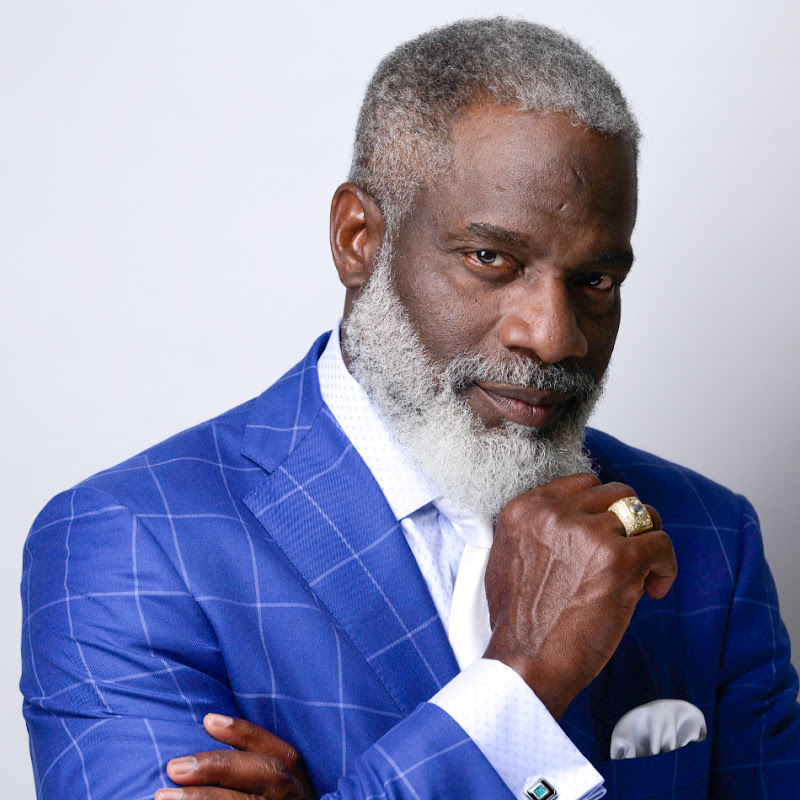
Myron Golden
1.43M subscribers
44.3K views · 2 months ago
UNSHAKABLE BELIEF | What If Failure Was Impossible For You? Most people are not limited by their abilities. They are limited by what they believe is possible. In this powerful message, Myron Golden explores the transformative power of belief and what happens when you stop seeing failure as a final outcome. The people who achieve extraordinary results are not always the most talented—they are often the ones who refuse to let setbacks define them. The core idea is simple but life-changing: When your belief becomes stronger than your fear, you begin taking actions that make success inevitable. You’ll learn: Why belief is the foundation of achievement How limiting beliefs quietly sabotage your potential The difference between temporary failure and permanent defeat Why successful people view setbacks as feedback How to develop confidence even when circumstances are uncertain The mindset required to keep moving forward despite obstacles Biblical principles behind faith, perseverance, and unwavering conviction This message will challenge you to think beyond your current limitations and embrace a mindset where obstacles become opportunities, challenges become lessons, and failure los
✦ What fans are saying
67 public comments · synced 5 days ago · 97% positive
Questions fans keep asking
What landed
- Accelerate into the curves even when you don't know what's around the corner“Life-changing words 🔥🔥🔥: "And so, what they do is they drive the vehicle of their life down the highway of their experience with one foot on the gas and one foot on the brake. I don't do that... Accelerate into the curves even when you don't know what's around the corner." - Myron Golden” · dumisaniluthango
- The difference between you and someone else is belief“The difference between you and someone else is belief❤” · SimonJijiri-p3m
- Faith and scripture woven into business teaching“I love how this Bredda Always speak God into His teachings… If you don’t know the scriptures, go learn some folks they will help you navigate life Easier…🤜🏿🔥” · RiDeNaTTiiRiDe
Overwhelmingly positive and devotional, with viewers calling the message life changing and mostly asking where to find the full version.

TheLovelyIesha
2 months ago
One day I’m going to be able to afford to attend on of your seminars 🎉 I learn everyday more from you than I did in my entire upbringing. My parents showed me more of what not to do than what to do
♥ 5110 replieson YouTube ↗

retainthegainz
2 months ago
Myron Golden is the man who chose multiplication instead of addition & division 💯
♥ 361 replyon YouTube ↗

Ricky31628580
2 months ago
I need this whole message. Myron is definitely Golden
♥ 23on YouTube ↗

DVBellino
2 months ago
I love “this guy.” This guy is awesome.
♥ 22on YouTube ↗

kimberlybradley9574
2 months ago
My Pastor passed away July 5th of last year, and since then I have been so lost, we were a small congregation, when he passed away we were left with no one to replace him. I have been searching earnestly for a new church home, Im searching the scriptures and trying my best to constantly stand of Gods word. I know many scriptures but now know I have honestly been applying then wrong in my life. I own a beauty salon and a barber next door to me came and introduced me to your videos and oh am I grateful, I feel as if I have been lost for a while, listening to you brings back that hope that I once lost. I thank God for being able to use you and I ask that everyone who reads this comment keep me in your prayers because my full desire is to one day see Jesus but I would also love to live in his full righteousness and glory here on earth. Thanks Myron for the calling upon your life.
♥ 164 replieson YouTube ↗

letsgrowrightnow
2 months ago
Uncle Myron’s life hack for the week- “Accelerate into the curves, even when you don’t know what’s around the corner.” 👌💪👍💯
♥ 15on YouTube ↗

gireeshlalmg
2 months ago
i dont have faith in faith, i have faith in the one who is faithful...
♥ 132 replieson YouTube ↗

TheLisaDeesDelightsShow
2 months ago
This is so true! The Word really does work if you work it… BELIEVE it 🙏🏽
♥ 12on YouTube ↗

SimonJijiri-p3m
2 months ago
The difference between you and someone else is belief❤
♥ 121 replyon YouTube ↗

its-hsr
2 months ago
100% conviction can make anyone ‘good’ into GREAT. Great video as usual.
♥ 112 replieson YouTube ↗

omoregieefosa9200
2 months ago
This "guy", Myron , is "our guy!"
♥ 91 replyon YouTube ↗

NetworkMarketingCowboy
2 months ago
This message hits deep. So many people quit because they confuse a setback with a sentence. Failure isn’t final unless we stop believing, stop learning, and stop moving forward. When faith gets stronger than fear, discipline follows and that’s where breakthrough begins.
♥ 8on YouTube ↗

AnthonyWCorbin
2 months ago
It's Possible as You Believe!!!
♥ 8on YouTube ↗

realtalkw_darius1
2 months ago
Beautiful message
♥ 8on YouTube ↗

psykomystro
2 months ago
Was just getting good... Is the full vid available?
♥ 8on YouTube ↗

NowFaithTransparentLiving
2 months ago
Like cheezit, people need to get their own faith. This is my guy😊😊😊
♥ 5on YouTube ↗

kurtwolf
2 months ago
Focusing on lack will attract lack, this is testing your mental strength as an entrepreneur and as someone who is here to serve others
♥ 41 replyon YouTube ↗

JeampierJGarciaEspañol
2 months ago
My brother God Bless you Thank you soo much for everything ❤🎉
♥ 4on YouTube ↗

b.a.b.y.roittt
2 months ago
Keep eating at these preachingz. We love it🍽️
♥ 3on YouTube ↗

AmbitiousLeigh
2 months ago
What a great video this is 🙌💎
♥ 3on YouTube ↗

patshamblin
2 months ago
Excellent
♥ 3on YouTube ↗

keymaker1348
2 months ago
WOW 🔥
♥ 3on YouTube ↗

LaVonneH578
2 months ago
Accelerate Around The Curves Even When You Don't Know Where It Is Going- Secret To Success Myron Golden 🙏🏽🙏🏽👏🏽👏🏽❤️❤️
♥ 31 replyon YouTube ↗

carreroarts9735
2 months ago
THIS GUY!! Has helped me more than my own father by a lot. and i have never even met him.... Thanks Myron.
♥ 2on YouTube ↗

ABIDEJOHN154
2 months ago
I thank God for this man, he's leading people in the right direction in Jesus' name ...❤🎉
♥ 2on YouTube ↗

nxeself
2 months ago
Always trust the process & God’s timing❤
♥ 2on YouTube ↗

SynSum
2 months ago
Thank you, Myron! 🙏🏾🙌🏾
♥ 2on YouTube ↗

teddyboy252
2 months ago
Look forward to your 🆕 book
♥ 2on YouTube ↗

quantumlicious
2 months ago
... 💕 💞 ♥️ 💜 💙 🧡 💕
♥ 2on YouTube ↗

Ksm_112
2 months ago
“This guy” is amazing!
♥ 1on YouTube ↗
✦ Insights from this video
Read from the transcript · every timestamp jumps the player
In short
Myron Golden argues that the gap between people isn't money, talent or experience, but belief. He works through the idea that Satan's first temptation was a focus on lack, explains why he treats money as seed rather than cereal, and tells the story of how a karate friend got him reading the Bible at 16, which became the source of his certainty. Ends with his formula for success: accelerate into the curves.
Chapters
Key points
- 01
Belief, not money, is the gap
If everyone in the room would attempt more if they knew they couldn't fail, then the real reason they don't attempt more is belief, not resources or experience.
- 02
Control is an illusion
He says everything he plans is 'Lord willing,' and that a funeral reminds you how little control you actually have.
- 03
He never sells blessings
At 62 he says he has never once told anyone to give him money so God would bless them, because he doesn't believe it.
- 04
Lack was the first temptation
Satan told Eve to ignore all the trees she could have and focus on the one she couldn't, because focusing on lack perpetuates lack.
- 05
Don't eat your seed
The farmer who thinks his seed is cereal at planting time will be hungry at harvest, so he gives and invests without fear.
- 06
Confidence came before competence
People assume he is confident because he is good at things, but he says he is good at things because he first had confidence in a God who cannot lie.
Lines worth keeping
“How many of you would attempt more than you attempt right now if you knew you could not fail?”
The question that sets up the whole talk and exposes belief as the limiting factor.
“If God would have wanted you to start living when you got to heaven, you would have been born there.”
His case against deferring your assignment to the afterlife.
“I'm not holding on to the seed thinking that it's cereal.”
The image that captures his whole approach to giving and investing.
“I don't have faith in faith. I have faith in the one who is faithful.”
He locates his certainty in God's reliability rather than in positive thinking.
“Accelerate into the curves. Even when you don't know what's around the corner.”
His stated formula for success and the counter to driving with one foot on the gas and one on the brake.
What to do next
- 1
Own your assignment without waiting for anyone to release you to it.
He says you don't need someone else to understand your assignment, because nobody else can fulfill it.
- 2
Stop focusing on the one thing you lack and count the trees you can freely eat from.
Focus on lack perpetuates lack, which he calls Satan's master deception.
- 3
Treat the money you're meant to sow as seed, not cereal.
The farmer who eats his seed at planting time will be hungry at harvest.
- 4
Read the Bible and actually test what it says will happen.
He tested it promise by promise as a 16-year-old and found it worked exactly as written.
- 5
Accelerate into the curves instead of driving with one foot on the gas and one on the brake.
Worrying about whether it will work is what stalls most people's progress.
Mentioned in this video
- ScriptureThe BibleThe first book he ever read, at 16, and the source he credits for his certainty.
- PersonPete SmithA karate friend whose basement they practiced sparring in as teenagers.
- PersonStanThe friend who asked him if he knew for sure he'd go to heaven and showed him scripture.
- ScriptureLevi and MelchizedekHe cites Levi paying tithes while still in Abraham's loins to argue that your descendants are in you.
- ScriptureAdam and EveUsed as the example of the first temptation being a focus on lack rather than abundance.
This video answers
- ?Why do most people attempt less than they're capable of?
- ?What does Myron Golden say about prosperity gospel accusations and selling blessings?
- ?Where does his unusual level of certainty actually come from?
- ?What did Satan's first temptation have to do with money and lack?
- ?How did Myron Golden start reading the Bible as a teenager?
? Ask this video
Answers come from this transcript only
Ready-to-post clips
Picked from the transcript · grow every other platform from this one
- YouTube Shorts0:20–1:04 · 44s
“What would you attempt if you knew you could not fail?”
Opens with a direct audience question everyone answers in their head, then lands a hard reframe: the gap isn't money, it's belief.
The difference isn't money or experience. It's belief.
- Instagram Reels5:00–5:43 · 43s
“How can money be evil when you have so much of it?”
A funny, confrontational callout with a punchline about orphans that flips a common moral argument on its head.
You don't want to feed the orphans. You want to spend someone else's money doing it.
- YouTube Shorts7:56–8:38 · 42s
“The first temptation in history was the temptation to focus on lack.”
A vivid reinterpretation of a familiar story that ends on a memorable, repeatable line about giving without fear.
Ignore the abundance, focus on the one thing you don't have. That's the oldest trick there is.