How to Set Goals and Make Great Gains
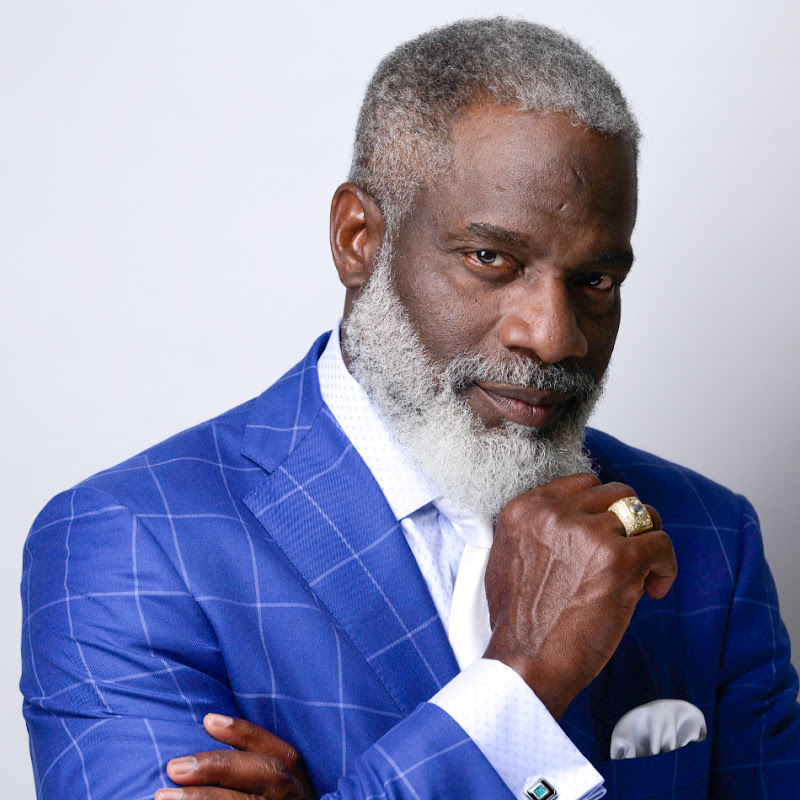
Myron Golden
1.43M subscribers
29.8K views · 1 month ago
GREAT GOALS, AND POWER LAWS | How To Set Goals And Make Great Gains Setting goals is easy. Achieving them consistently is where most people struggle. In this powerful message, Myron Golden reveals why lasting success isn't just about setting bigger goals—it's about understanding the powerful principles that govern consistent progress. When your goals are aligned with timeless laws of success, your results become predictable instead of accidental. The core idea is simple but powerful: Great goals produce great gains when they're supported by the right principles and consistent action. You'll learn: Why most people fail to achieve the goals they set How to create goals that inspire action instead of frustration The difference between wishing for success and building a plan for it Why success follows principles, not just motivation How small, consistent actions produce extraordinary long-term results The mindset required to stay committed when progress feels slow Biblical principles behind vision, discipline, stewardship, and growth This message will help you stop setting goals that never materialize and start building a life of measurable progress by aligning your actions with
✦ What fans are saying
44 public comments · synced 5 days ago · 95% positive
Questions fans keep asking
What landed
- The idea that if it is not working for you, it is working on you““If it’s not working for you, it’s working on you.” 💯🙏🏼🙌🏼” · walkingwithYah
- Working from a victory standpoint and trusting God's timeline“One lesson I've learned in the last 4 years following MG (The Golden standard) instead working towards achieving a victory. I work from a victory standpoint it's already been achieved and what do I have to do to get to the next level of becoming the person I need to be to receive it. Trusting the process in Gods timeline” · GrumpWerx
- The last three minutes and the answer at 18:40 on motivating others“18:40 How to motivate those around us to do more.. love Myron’s response!” · Aj_Dex
Overwhelmingly appreciative and faith-filled, with viewers sharing how the teaching is already shifting their mindset and results, plus a few clarifying questions.

GrumpWerx
1 month ago
One lesson I've learned in the last 4 years following MG (The Golden standard) instead working towards achieving a victory. I work from a victory standpoint it's already been achieved and what do I have to do to get to the next level of becoming the person I need to be to receive it. Trusting the process in Gods timeline
♥ 665 replieson YouTube ↗

mosesjohnson7418
1 month ago
Enough is an illusion. And it’s relative. It can’t actually be measured.
♥ 16on YouTube ↗

ShonJhonStewart
1 month ago
I think a lot of people have an "excuse account" they've been building for years. Every time one excuse gets taken away, they have to replace it with a reason to take action. That's uncomfortable, so they protect their excuses more than they invest in their reasons. At some point, you have to stop making deposits into your excuse account and start making deposits into your future.
♥ 131 replyon YouTube ↗

MySheepHearMyVoice7
1 month ago
Wisdom is the principal thing (Proverbs 4:7)
♥ 91 replyon YouTube ↗

bigbaaladon
1 month ago
One thing that helped me stop treating goals like wishes was learning to focus on mindset first and consistency second. Reading The Mindset Behind the Muscle and The Art of Consistency completely changed how I approach progress. Instead of trying to accomplish everything at once, I started breaking big goals into small daily actions I could actually repeat. That simple shift has helped me stay disciplined, build momentum, and make more progress than motivation alone ever did. This message lines up perfectly with that idea. Great video, Myron.
♥ 72 replieson YouTube ↗

Soulbearersnetwork
1 month ago
I have been putting some of the things uncle Myron says to practice and my bank account is happier than before !! I can’t wait to pay for his paid classes 🔥 I told myself I will definitely meet him one day !!! Oh I can’t wait !!! Chelsea from Nigeria 🇳🇬 we love you uncle Myron 💕
♥ 6on YouTube ↗

walkingwithYah
1 month ago
“If it’s not working for you, it’s working on you.” 💯🙏🏼🙌🏼
♥ 5on YouTube ↗

Kendracathey
1 month ago
19:45 wheewwww this is my struggle with my brand .
♥ 3on YouTube ↗

zealheals
1 month ago
Grateful that the Q&A sessions are shared with us online viewers 😃 Great question, Erica. He expounded on this topic in ways I don't think I've heard from him. It's like reading the Bible multiple times and hearing something new or fresh! 0:19 😂Why did Dr. MG do that to her name tho. Always thinks sobquick on the spot. Lived here all my life. Never noticed that common name in my country before.
♥ 3on YouTube ↗
MySheepHearMyVoice7
1 month ago
Jesus Christ the same yesterday, and today, and forever. (Hebrews 13:8)
♥ 3on YouTube ↗

dominion6880
1 month ago
Amen. Thank you Lord.
♥ 2on YouTube ↗
dominion6880
1 month ago
AMEN. WE DON'T KNOW THE TIMELINE.
♥ 2on YouTube ↗

denisedaniel9381
1 month ago
God bless you.
♥ 2on YouTube ↗

keymaker1348
1 month ago
Thank you Sir
♥ 2on YouTube ↗

curryvision2020
1 month ago
Thank You!!!!
♥ 2on YouTube ↗

MarkClayton-s6m
1 month ago
are you guys in tampa? if yes, I live here and would love to join a live session
♥ 2on YouTube ↗

SimonJijiri-p3m
1 month ago
Practical tips ❤
♥ 21 replyon YouTube ↗

PoetWoodsAI
1 month ago
💯💪🏾
♥ 2on YouTube ↗

theofficialgwiz
1 month ago
I’m so glad you’re releasing these! Being in that studio is life changing, and the work is still working on me. ❤
♥ 1on YouTube ↗

apostLaNeedA
1 month ago
The last three minutes are "GOLDEN"!!! 🥰🙏 Well received, thank you...
♥ 1on YouTube ↗

Aj_Dex
1 month ago
18:40 How to motivate those around us to do more.. love Myron’s response!
♥ 1on YouTube ↗

NewlyPurpose-c2g9i
1 month ago
Count it all Joy 🎉🎉🎉🎉🎉🛐🔥🔥🔥🔥🔥🔥🔺
♥ 1on YouTube ↗

SuzSunshine
1 month ago
amazing amazing amazing
♥ 1on YouTube ↗

Wealthy_Sophia
1 month ago
❤❤❤❤
♥ 1on YouTube ↗

DariusW.94
1 month ago
For the first question I intuitively had gotten a sport analogy (ironically from someone who doesn’t watch sports): Today, to get to the touchdown; are we throwing the ball (intensity) or running it (consistency) 😆 Or perhaps huddle up first (revision)
♥ 1on YouTube ↗

aurafootball1000
1 month ago
Can I clip your videos? and add affiliate link of the cash man to trash man on it, Just started a YouTube channel, I really love your content, I don't mind not making anything off it
♥ 1on YouTube ↗

JohnSmith-k3e5u
1 month ago
When faced with joy, count at all trials ?
♥ 1on YouTube ↗
zealheals
1 month ago
4:50 Maybe it's more about WHO we become in our 1 destiny than getting to the correct destinations along the way. Become and you'll eventually get "there". Still trying to understand. **8:18
♥ 11 replyon YouTube ↗

Omekongo
1 month ago
I needed this reminder today that it IS working. Thank you sir!
♥ 0on YouTube ↗

kashabeni
1 month ago
The plan is working even when we feel like it's not working. 🎉
♥ 0on YouTube ↗
✦ Insights from this video
Read from the transcript · every timestamp jumps the player
In short
A studio Q&A where Myron Golden explains why he works on inputs rather than outcome targets, how to use a goal only to decide what to do today, and what makes an offer irresistible (discovery questions, not stories). He also covers YouTube growth metrics, what to do when a social account gets hacked, why you can't drag unmotivated people across the finish line, and closes with a scriptural case from Joseph and 1 Chronicles 29 that "it's working" even when it doesn't feel like it. Guest Dr. Benjamin Hardy answers questions on power laws and scale goals.
Chapters
Key points
- 01
Use goals to plan, not to judge
Goals are a good idea if you use them to figure out what to do today, and a bad idea if you use them to measure whether you've done enough.
- 02
You can't know it'll work
You can only know you're going to work the thing you're doing, then measure, monitor, adjust and start again tomorrow.
- 03
A scale goal points to the path
Benjamin Hardy says the goal shapes the path, so set a scale goal rather than a growth goal and let it point you to a power law you can master.
- 04
Discovery beats storytelling
If you're mostly talking you're alienating the prospect; the customer brings the content and you bring the context, so nothing you deploy matters until you know what they want.
- 05
Thumbnail title and first 30 seconds
The clickable thumbnail title comes first, then retention past 30 seconds; below 70% and the video probably won't get views, at 75%+ YouTube is very likely to push it.
- 06
Don't build a business to rescue people
If you want transformation for someone more than they want it, you'll frustrate yourself and irritate them, so serve people who are already motivated.
Lines worth keeping
“You can't know that this thing that I'm doing is going to work. You can only know that I'm going to work this thing that I'm doing.”
The core distinction between outcome anxiety and input control.
“I'm glad I don't have to choose between intensity and consistency, because I wouldn't know which one to pick.”
Frames his standard of enough as being consistently intense and intensely consistent.
“If I'm mostly talking, I am mostly alienating you. But if I'm mostly asking questions, I'm mostly aligning with you.”
Summarises his whole approach to selling in one line.
“Hurts him bad enough to whine about it, but I guess not bad enough to do anything about it. And that's how most people are.”
The dog-on-the-nail story explains why he won't chase unmotivated people.
“When it's not working for me, it's working on me.”
The line that carries the closing scriptural argument about trials and timing.
What to do next
- 1
Work backwards from the outcome to decide today's actions, then stop measuring yourself against the outcome.
Using the goal to judge whether you did enough only makes you feel you're not enough, which doesn't help you.
- 2
Take the action, look at the result, adjust, and give yourself a new thing to test tomorrow.
Even an action that fails is movement toward the objective because it tells you what won't get you there.
- 3
Do discovery questions before you present anything.
Until you know what the prospect wants, no story or offer you deploy matters.
- 4
Big-idea your video first, then build a clickable thumbnail title and a scripted, memorised first 30 seconds.
Without a big idea people care about, the thumbnail won't matter, and retention under 70% in the first 30 seconds kills the video.
- 5
If a platform account is lost, start rebuilding while you keep pursuing recovery, and build the email list too.
It isn't either/or, and who you became in the doing of it will make you better when you do it again.
Mentioned in this video
- PersonDr. Benjamin HardyA conversation with him in the studio helped Myron see why they land on opposite sides of the goals debate; he also answers questions in this session.
- BookThe Science of ScalingHardy says 5x-ing the right readership of this book would 10x the company, past $100 million revenue.
- CompanyMetaA woman successfully sued Meta after her account was cancelled, because their own criteria required fairness.
- CompanyYouTubeDiscussed for its algorithm boost in the first 48 hours and retention thresholds for pushing videos.
- Scripture1 Chronicles 29:11-13Read aloud as proof of God's sovereignty over greatness, riches and strength.
- ScriptureJames chapter 1Cited on counting trials joy and letting patience have her perfect work.
- PersonJosephUsed as the example of a plan that was working even through slavery, false accusation and prison.
- PersonDavidHad to be chased by Saul to become the man after God's own heart.
This video answers
- ?If I focus on inputs instead of targets, how do I know I'm doing enough?
- ?What actually makes an offer irresistible?
- ?Which YouTube metrics should I watch when growing a channel?
- ?What should I do if my social media account is hacked or deleted?
- ?How do I get family or friends to participate in what I'm building?
? Ask this video
Answers come from this transcript only
Ready-to-post clips
Picked from the transcript · grow every other platform from this one
- YouTube Shorts1:44–2:26 · 42s
“Stop asking if you're doing enough. Ask this instead.”
A sharp reframe on goal-setting with a clean contrast line that lands as its own idea.
Use goals to decide what to do today, not to judge yourself for what you didn't do.
- LinkedIn9:02–10:08 · 66s
“If I'm mostly talking, I'm mostly alienating you.”
A memorable, quotable sales principle with a clear mechanism anyone can apply immediately.
The genius of a great presentation is in the questions you ask before you give it.
- TikTok19:40–20:23 · 43s
“Most people are like a dog laying on a nail.”
A complete, vivid parable with a punchline that explains why people stay stuck.
It hurts him bad enough to whine about it, but not bad enough to do anything about it.